Source Daily Flavor Rose Essence Oil for Fragrance, Cosmetics, and Oral Care
Find 30 listings for daily flavor rose essence oil suitable for fragrance making, cosmetic raw materials, and oral care chemicals. Buyers can compare purity, packaging, and certifications from suppliers in China to select the right synthetic flavor and fragrance for their needs.
Key considerations
Products List






Comprehensive Sourcing Guide
Strategic Sourcing Guide for Daily Flavor Rose Essence Oil
Procuring high-quality daily flavor rose essence oil requires a disciplined approach that distinguishes between synthetic flavor concentrates and essential oil derivatives. The market for rose-based flavoring agents is diverse, ranging from industrial-grade raw materials to specialized cosmetic and fragrance applications. Buyers must navigate a complex landscape where product attributes, such as purity, appearance, and intended usage, vary significantly between suppliers. This guide provides a structured framework for evaluating potential suppliers, verifying technical specifications, and ensuring compliance with safety standards without relying on unverified claims.
Understanding Product Specifications and Variants
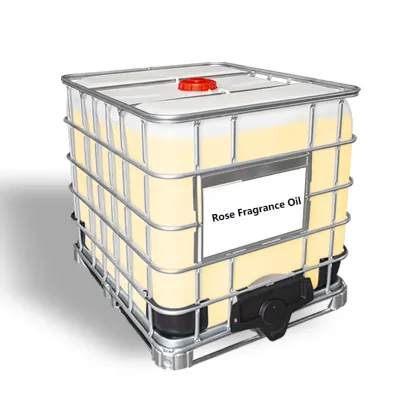
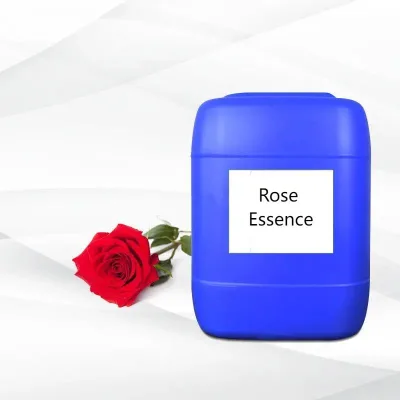
The first step in sourcing daily flavor rose essence oil is to clearly define the product category. In the current market, "rose essence" can refer to synthetic flavor concentrates designed for food and beverage applications or essential oil-grade materials intended for cosmetics and perfumery. Based on available market data, synthetic flavor products are often characterized by a light yellow or transparent liquid appearance and are explicitly labeled for daily flavor and industrial flavor usage. These products typically carry a model number such as "Rose Flavor" and are classified under synthetic flavor and fragrance product types.
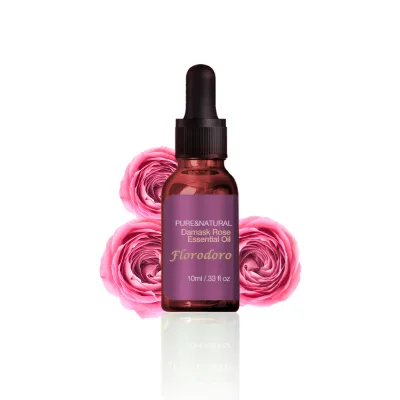
In contrast, essential oil variants may be categorized under perfume grade or pure essential oil grades. These materials often feature different packaging standards, such as bottles or drums, and may be associated with specific chemical identifiers like model numbers 8007-01-0. The physical form is consistently liquid, but the grade can range from standard industrial grades to high-purity grades like 99.9% or 98%. Buyers must verify the specific grade required for their application, as a material suitable for industrial flavoring may not meet the stringent purity requirements for cosmetic raw materials. The appearance of the liquid, whether light yellow or transparent, serves as a primary visual indicator of quality, though it must be corroborated by laboratory testing.
Compliance, Certification, and Safety Standards
Safety and regulatory compliance are paramount when sourcing flavor and fragrance ingredients. Suppliers in this sector are expected to provide documentation that validates the safety and quality of their products. Common certifications observed in the market include MSDS (Material Safety Data Sheet), GMP (Good Manufacturing Practice), FDA approval, EEC (European Economic Community) compliance, and CE marking. These certifications indicate that the supplier adheres to specific manufacturing and safety protocols.
However, the presence of a certification does not guarantee that every batch of product meets the same standard. Buyers must verify that the specific product they intend to purchase is covered under the provided certification documents. For instance, a supplier may hold FDA certification for a specific product line but not for others. Additionally, the standard of the product itself, such as a purity level of 99.9% or 98%, must be explicitly stated in the product specifications. Buyers should request the latest version of the MSDS to understand the chemical composition, handling requirements, and potential hazards. It is crucial to ensure that the supplier's certifications are current and relevant to the specific jurisdiction where the product will be used or sold.
Cost Drivers and Pricing Dynamics
The pricing of daily flavor rose essence oil is influenced by several factors, including the grade of the material, the packaging format, and the order volume. The observed price range in the market is extensive, spanning from approximately $0.87 to $960 per unit. This wide variance reflects the difference between small-sample units, bulk industrial drums, and specialized cosmetic formulations.
A significant cost driver is the Minimum Order Quantity (MOQ). Suppliers may set MOQs as low as 1 piece or as high as 3000 pieces, with a common industrial standard of 1KG. The packaging format also impacts cost; options range from small bottles (120ml) to large drums (200kg). Buyers should be aware that smaller packaging units often carry a higher unit price due to the increased handling and packaging costs. Conversely, bulk purchases in 25KG or 100KG drums typically offer a lower cost per kilogram. When evaluating quotes, buyers must compare the total landed cost, including shipping and customs duties, rather than focusing solely on the unit price. The selling units, often listed as single items, can also affect the pricing structure, particularly for sample orders.
Typical Applications and Usage Scenarios
The application of rose essence oil dictates the required specifications and quality standards. Synthetic flavor products are primarily used for daily flavoring in food and beverage industries, as well as for industrial flavoring in non-food applications. These products are designed to provide a consistent rose aroma and taste profile. In the cosmetic sector, rose-based ingredients are utilized for skin surface applications, offering moisturizing properties and serving as raw materials for hair care, oral care, and detergent formulations.
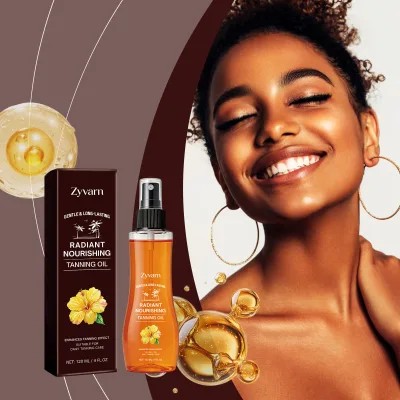
Specific product attributes align with these applications. For example, a product labeled for "Beauty Skin" usage may be formulated as a self-tanning oil with organic ingredients, targeting all skin types. These products often come in specific volumes, such as 120ml, and are packaged for retail or professional use. In contrast, industrial applications may require bulk packaging like 5KG, 10KG, or 25KG drums. The distinction between "Daily Flavor" and "Cosmetic Raw Materials" is critical; a product intended for oral care must meet different safety and purity standards than one intended for general industrial use. Buyers must ensure that the product's stated application matches their specific end-use requirements to avoid regulatory non-compliance or product failure.
Supplier Evaluation and Verification
Evaluating suppliers requires a thorough review of their capabilities, location, and service offerings. The place of origin is a key factor, with many suppliers based in China, including specific regions like Shanxi. Buyers should verify the supplier's ability to provide OEM (Original Equipment Manufacturer) and ODM (Original Design Manufacturer) services, as well as private labeling options. These services are essential for brands looking to customize packaging or formulate specific blends.
The service level provided by the supplier is another critical metric. This includes the availability of samples, which is a standard offering in the market, and the ability to provide detailed technical documentation. Buyers should assess the supplier's logistics capabilities, such as the use of ordinary goods trucks for transport, and their ability to handle various packaging sizes. It is also important to verify the supplier's track record in handling specific product types, such as synthetic flavors versus essential oils. A supplier that specializes in one area may not have the expertise or quality control measures necessary for another. Buyers should request references or case studies to validate the supplier's claims regarding their production capacity and quality assurance processes.
Quality Control and Long-Term Procurement
Maintaining consistent quality is essential for long-term procurement success. Buyers should implement a robust quality control (QC) protocol that includes pre-shipment inspections and post-receipt testing. Key parameters to monitor include purity levels, appearance, and chemical composition. The observed purity of 99.9% or 98% should be verified through third-party laboratory testing to ensure it matches the supplier's specifications. Additionally, the shelf life of the product, often cited as 3 years, must be considered in inventory planning to prevent degradation.
Long-term procurement considerations also involve establishing a reliable supply chain. Buyers should negotiate terms that allow for flexible order quantities while maintaining cost efficiency. The ability to source samples is a valuable tool for initial testing and validation. Furthermore, buyers should maintain open communication with suppliers regarding any changes in raw material availability or production processes that could affect product quality. Regular audits and quality reviews can help identify potential issues before they impact production. By focusing on these aspects, buyers can build a resilient supply chain that ensures the consistent availability of high-quality daily flavor rose essence oil.
Summary of Key Procurement Parameters
To facilitate a clear comparison of product attributes, the following table summarizes the key parameters observed in the market for daily flavor rose essence oil. This table serves as a reference for buyers to verify the specifications of potential suppliers.
| Parameter | Typical Observation | Verification Requirement |
|---|---|---|
| Product Name | Rose Flavor, Self Tanning Oil | Confirm exact name matches application |
| Appearance | Light yellow or transparent liquid | Visual inspection and lab test |
| Purity | 99.9%, 98% | Request Certificate of Analysis (CoA) |
| MOQ | 1KG, 3 Pcs, up to 3000 | Confirm minimum order terms |
| Packaging | 1KG/2KG/5KG/10KG/25KG, 200kg Drum | Verify packaging integrity |
| Certifications | MSDS, GMP, FDA, EEC, CE | Check validity and scope |
| Origin | China, Shanxi | Verify location and export capability |
| Usage | Daily Flavor, Cosmetic, Industrial | Match to end-use requirements |
| Shelf Life | 3 years | Check expiration dates on batches |
By adhering to these guidelines and maintaining a rigorous approach to supplier evaluation and quality control, buyers can successfully source daily flavor rose essence oil that meets their specific technical and commercial requirements. The market offers a wide range of options, but success depends on careful verification of every claim and specification provided by the supplier.
FAQs
What is the typical purity level for daily flavor rose essence oil?
The typical purity level is 99.9% or 98% depending on the specific grade. Buyers should verify the Certificate of Analysis to confirm the exact purity matches their application requirements for either industrial or cosmetic use.
Which certifications are commonly available for these products?
Common certifications include MSDS, GMP, FDA, EEC, and CE marks. These documents validate safety and manufacturing standards, but buyers must ensure the specific product batch is covered under the provided certification scope.
Can suppliers provide samples for daily flavor rose essence oil?
Yes, samples are available for most suppliers to allow product testing. This enables buyers to verify the light yellow or transparent liquid appearance and scent profile before committing to larger bulk orders.
What is the minimum order quantity for this product?
The minimum order quantity varies from 1 piece to 3000 pieces, with 1KG being a common industrial standard. Buyers should confirm specific MOQ terms as they depend on the packaging format and supplier policies.
How is the product typically packaged for shipment?
Packaging options range from small bottles like 120ml to large drums up to 200kg. Common sizes include 1KG, 5KG, 10KG, and 25KG containers, with the final choice depending on the intended application volume.
Where are the main manufacturing locations for this product?
Most suppliers are located in China, with specific origins including Shanxi. Buyers should verify the exact place of origin to ensure compliance with regional export regulations and logistics requirements.
What is the shelf life of daily flavor rose essence oil?
The standard shelf life is typically 3 years from the date of manufacture. Proper storage is essential to maintain the product's quality and ensure it remains suitable for its intended cosmetic or flavoring applications.